What ATA means
ATA stands for atmospheres absolute. It measures total pressure, including the normal air pressure around us. At sea level, you are at 1 ATA. A chamber rated at 1.3 ATA raises the pressure inside by 0.3 of an atmosphere, which is roughly what you would feel a few metres underwater. Your ears notice this change, which is why equalising is part of every session.
Mild chambers around 1.3 ATA
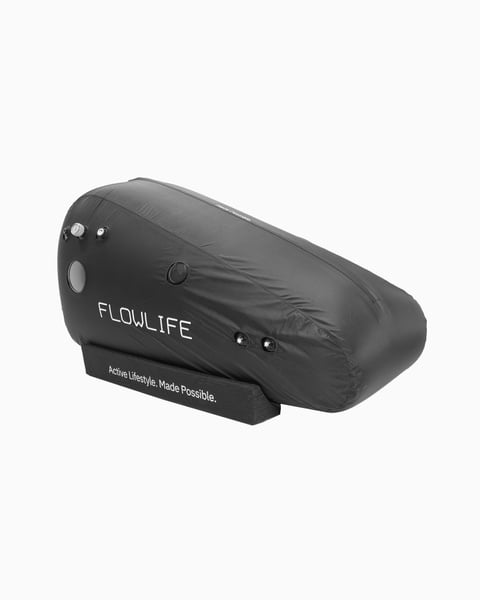
Most soft home chambers are designed to run at around 1.3 ATA. They are often called mild hyperbaric chambers. This is the most common level for home wellness use and is generally where first-time buyers start. Many people use mild chambers as part of a relaxation or recovery routine. They are not a medical treatment, and they are not equivalent to clinical hyperbaric oxygen therapy.
Chambers at 1.5 ATA and above
Some soft chambers and many hard shell chambers are rated to around 1.5 ATA or more. Higher-rated chambers usually cost more and may be larger and heavier. Higher pressure also means more care when equalising your ears. Some buyers want the flexibility of a higher rating, but it is sensible to follow the manufacturer's guidance and speak to your GP before running at higher pressures.
Gauges, valves and safety
Every chamber should have a pressure gauge you can see from inside and outside, plus relief valves that stop pressure going above the rated level. Check that gauges are easy to read and that you understand how to stop a session and release pressure. If a chamber's specification is unclear about its rating or safety valves, ask before buying.
Choosing the right level for you
For most home users, a well-made 1.3 ATA chamber covers what they need. Higher ratings may interest clinics or experienced users who understand the trade-offs. Think about your comfort with pressure changes, your budget and your space. Above all, talk to your GP about whether hyperbaric sessions are suitable for you, and stop if you feel ear pain, dizziness or breathing discomfort.